



Touring Pro Audio Cable 2 - 2Pin
- Description
- FEATURES
- SPECS
TPA2
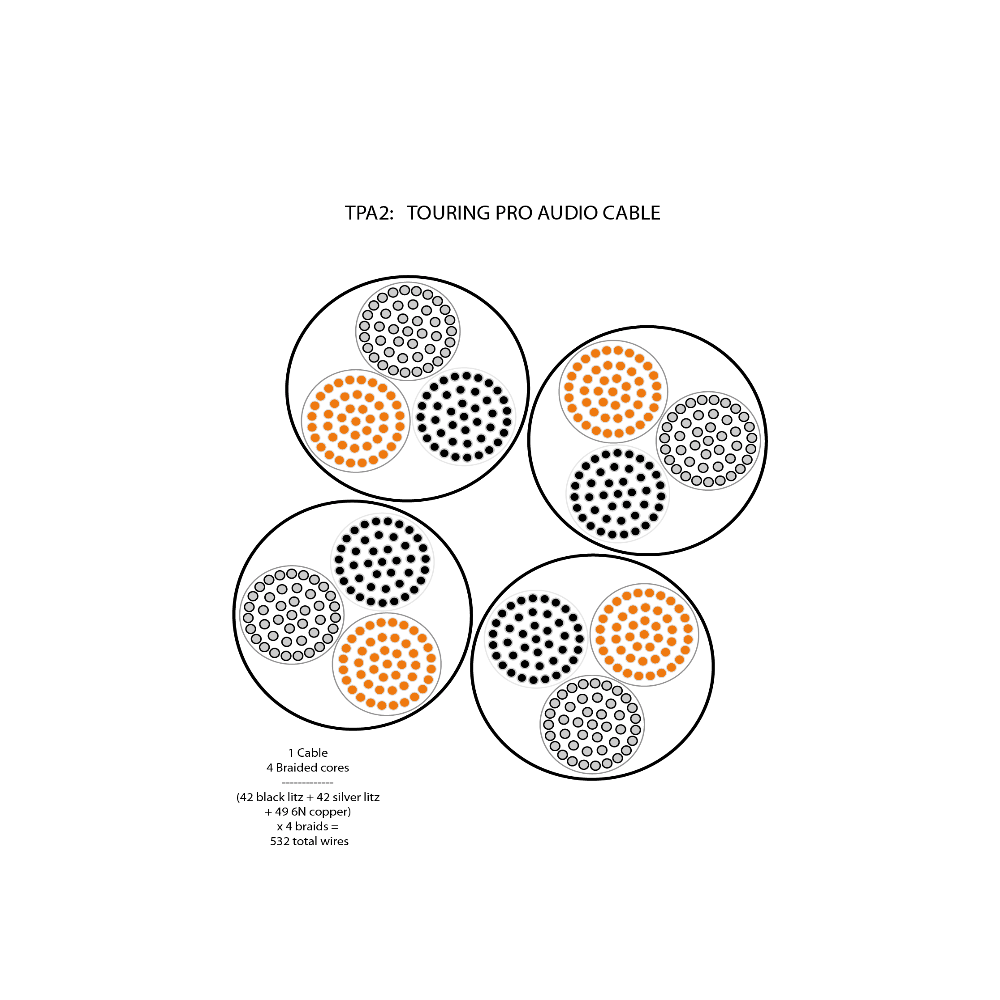
While the TPA1 cable is an amazing upgrade to our standard 2-Pin copper cables, it is very dependable yet slightly bulky due to the thicker sheathing. The TPA2 is a compromise between our standard cable and the TPA1 with 532 Litz wires. We help slim down the profile while delivering exceptional value in imaging and headroom by providing a thinner sheath and fewer braids.
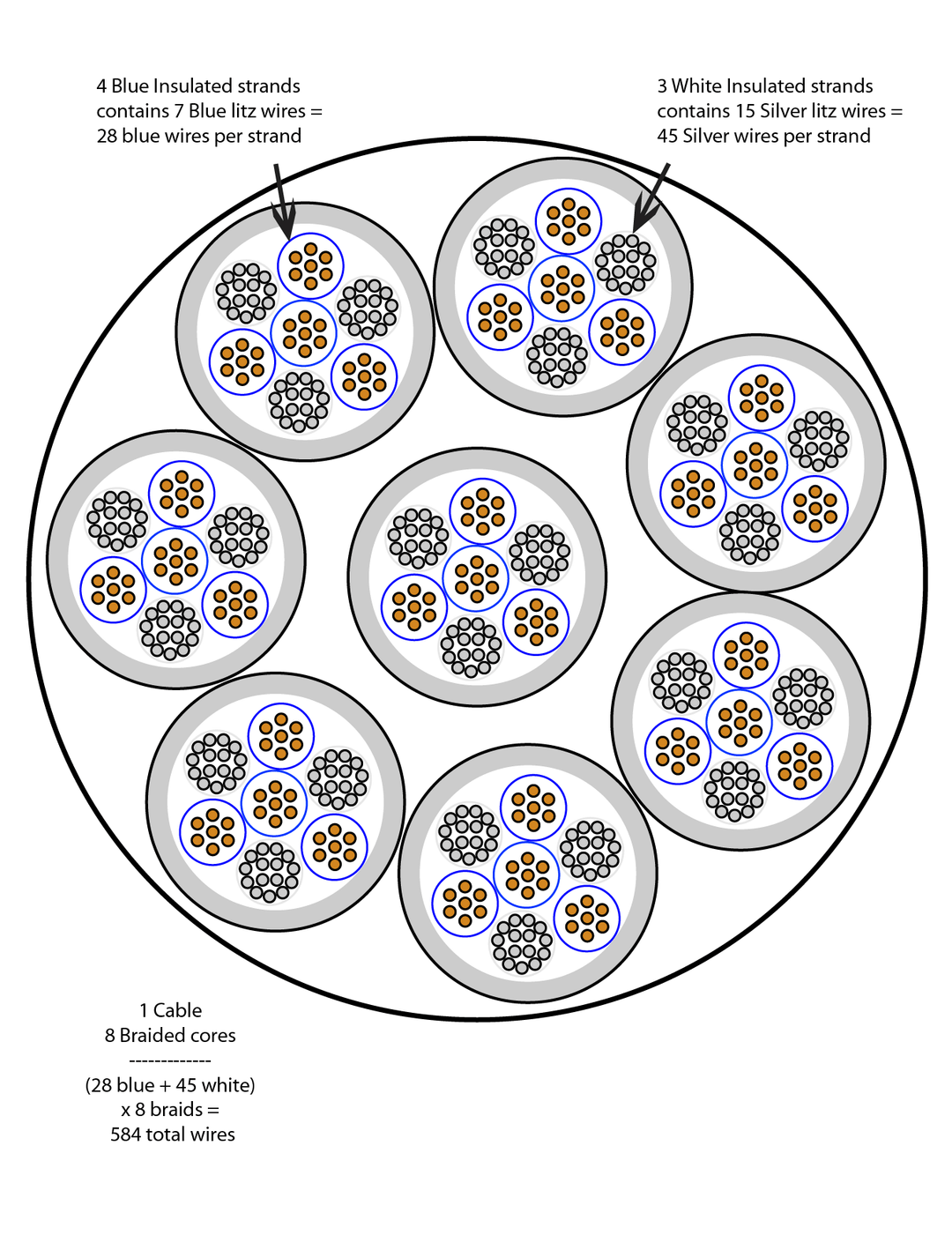
Four braids, each containing 133 cores of Black Litz OCC and Silver Plated Litz OCC wire twisted around a 6N pure copper twisted core for incredible transparency, detail and definition. Each core has 133 total wires equaling 532 wires in total (4x133). These cables are manufactured to the highest standards for durability, audio quality and efficiency. The wire has a luxurious feel and beautiful braided design that will resist uncoiling over time. The cord has a durable but light weight feel with molded ear hook for over-the-ear retention.
Soldered joints typically found in Y-type cable splitters are prone to breakage, corrosion, and high resistance. Our cables are only connected at the ends, ensuring not only a perfect flow of electrons through the wire, but also a consistent inductance between right and left channels.
Backed by our Limited 1 Year Warranty.
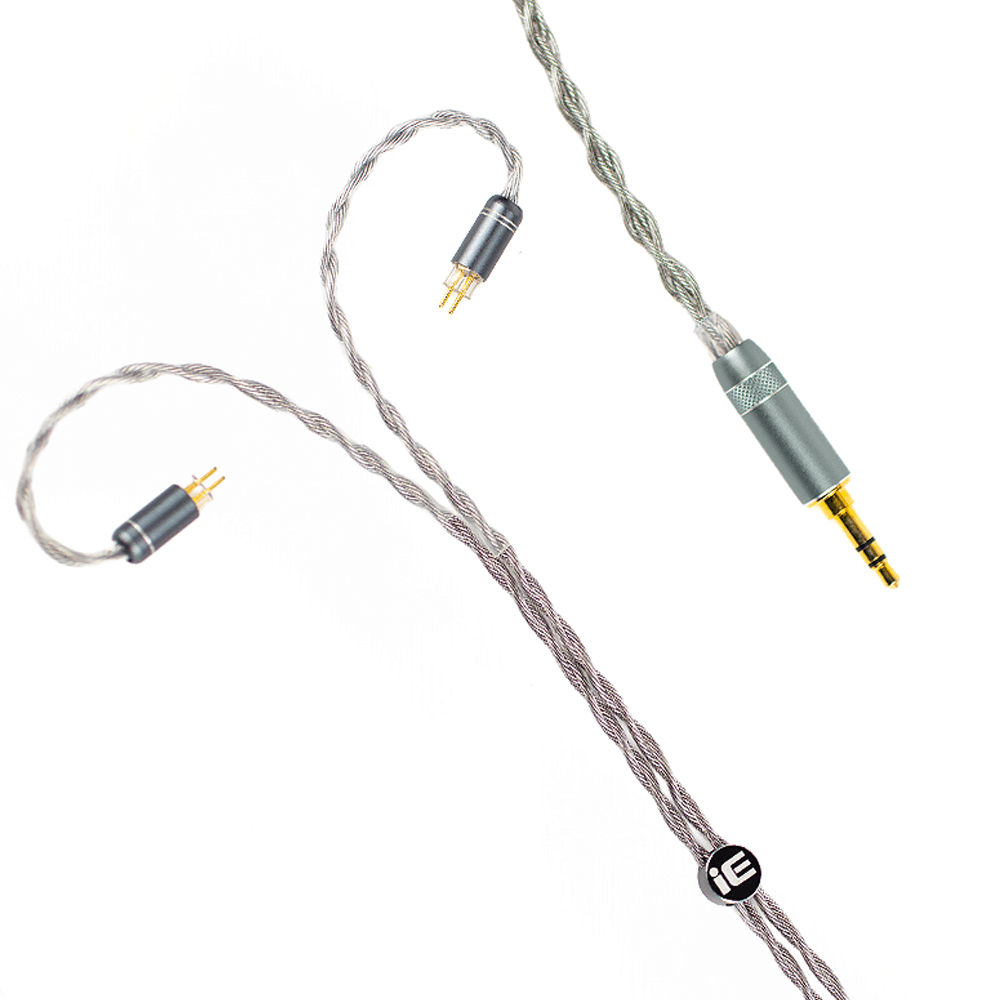
- High Fidelity 2 Pin Detachable Audio Cable
- Gold plated sockets
- Y-type cable non-solder splitter
- Round cable slider
- Male-Male connectors
- 0.78mm 2Pin Terminal Connector
- 3.5mm straight connector
- 1.35m (53") cable length
- 532 Total Black Litz 6N OFC & Litz Silver Plated 6N OCC cable and 6N copper core
- 99.9999% Pure Copper
- Ergonomic Molded retention earhook
- Tangle resistant braided wire
| Resistance | <0.5 ohms +/- 0.25 |
| Core / Strands / Litz | 4 cores braided / 133 wires / 532 total |
| Termination | Straight 1/8″ (3.5mm) |
| Memory Wire | 2.5" |
| Plug Type | 2-pin (0.78mm) |
| Warranty | 1 Year Limited |